
What's inside
As an Amazon Associate I earn from qualifying purchases. This post may contain affiliate links at no extra cost to you.
The Smith and Wesson 442 is a small, hammerless J-frame revolver whose whole design is an argument for discreet, close carry, and its holster is therefore graded, in this guide’s doctrine, by whether it completes that argument or contradicts it. The best holster for SW 442 is bought against four facts that govern every row in this table. The revolver is an exact citizen: a holster is a fitting for this frame and its enclosed-hammer profile, named for it in its maker’s documents, and a generic small-revolver parish that almost fits is refused, since a fitting that almost fits is a retention that almost holds. Its trigger guard must be covered whole by the holster’s material in every carry position in this guide, pocket, waistband, ankle, and belt, with nothing sharing its parish, a rule stated once here and enforced in every section that follows. Its small size invites small disciplines to slip, and this guide refuses the invitation in advance: the revolver is handled, fitted, and rehearsed verified unloaded, stored locked and separate from its ammunition under the law of its owner’s place, and carried only where and as that law allows, with the holster’s comfort graded last among its virtues, since a comfortable parish that fails any clause above it is not a bargain at any figure. And its draw is a rehearsed citizen or it is a hope: a pocket draw, an ankle draw, and a waistband draw are three different sentences, each learned empty, at home, across the clothing the season actually wears, before any of them is trusted in the world.
The carry positions divide the table, and each carries its own doctrine. The pocket is the 442’s native parish for many owners: a pocket holster’s profession is threefold, to cover the trigger guard whole, to keep the revolver oriented so a hand finds the same grip every time, and to stay in the pocket when the revolver leaves it, its outer material and shape graded for exactly that staying, with the pocket itself governed by the parish’s oldest rule, that nothing else shares it, no keys, no light, no second citizen of any kind, since a pocket that shares is a parish whose trigger guard’s cover has been asked to do a crowd’s work. The waistband parish trades the pocket’s simplicity for a faster, more consistent presentation for many owners, its citizens graded on their clip or loop’s government of a belt, their ride against the season’s clothing, and a reholstering parish that is performed, in this guide’s doctrine, slowly and by looking, a small revolver’s return being no place for a practised flourish. The ankle parish is a specialist’s sentence, a backup’s or a seated day’s, its draw the slowest of the three and the most rehearsed, graded honestly as such rather than sold as anything else. The belt’s outside parish serves the range, the field, and the open day, its retention and coverage graded by the same law as every other row.
The holsters compared here are real, currently sold models from DeSantis, Galco, Bianchi, 1791 Gunleather, and Safariland, spanning the pocket, waistband, ankle, and belt parishes. They are graded on exact fit first, the 442 and its J-frame parish named in each maker’s documents, a row whose documents name a neighbouring frame instead being a different article’s citizen; trigger coverage second, whole and by the holster’s own material, audited in the hand on the verified-unloaded revolver before it is ever carried; retention and orientation third, the revolver held as its position requires and found the same way by the hand every time; the draw and the return fourth, rehearsed empty across the season’s clothing, the pocket’s citizen staying behind, the waistband’s return performed slowly and by looking; and value and support last, because a holster is a safety citizen whose stitching, moulding, and hardware are inspected as this guide’s keeping section directs, and a maker’s parish behind it is part of what its figure buys.
Our Top Picks
Best Holster for SW 442: Pocket, Waistband, Ankle, and Belt Parishes
The Pocket’s Liturgy and the Waistband’s Government
The pocket parish is performed as a liturgy or it degrades into a habit, and its steps are stated here in their order. The holster is chosen for the pocket it will live in, its shape filling that pocket’s parish so the revolver’s outline is a wallet’s suggestion rather than a revolver’s portrait, its size audited across the wardrobe’s actual pockets, since a parish that fits the jacket and prints in the trousers is two citizens wearing one name. The revolver, verified unloaded for every rehearsal in this guide, is seated in the holster outside the pocket, the two entering the pocket together as one citizen, never the revolver lowered into a holster already waiting in the dark of a pocket, a sentence printed here because the field’s record contains its alternative. The draw is rehearsed until the holster’s staying is a fact rather than a feature: the hand finding the grip, the revolver clearing, the holster remaining, each time, across each pocket the wardrobe offers, a citizen that follows the revolver out even once in rehearsal being corrected or retired at the bench, not forgiven into a season. The pocket’s other law is its emptiness, stated in the introduction and repeated here at the point of use: nothing else lives there, ever, a rule whose simplicity is its whole enforcement.
The waistband parish is governed by its belt, as every waistband citizen on this site is governed. Its clip or loop is graded against the belt it will actually ride, a belt made for the work, stiff in its parish, since a holster’s government cannot exceed its belt’s, in the doctrine this site prints for its gun belts and its holsters alike. Its ride is set with the season’s clothing over it, its concealment parish and its draw rehearsed together, since either rehearsed alone is a fiction. Its return is the parish’s signature discipline: the revolver is reholstered slowly, by looking, the covering garment cleared by the other hand, the muzzle’s parish governed throughout, a small frame’s short barrel offering no exemption from a liturgy whose whole point is that haste at the return has no prize attached to it. An appendix parish, where an owner carries there, is graded by the same law with its own citizens’ extra rehearsal, its holster’s coverage and its draw’s path read with the seriousness the position’s geometry asks, in the owner’s maker’s documents and their own range’s provisions.
The Ankle’s Honesty, the Belt’s Parish, and the Law Around All of Them
The ankle parish is graded with a candour the category sometimes avoids: it is the slowest presentation in this table and the most dependent on rehearsal, its citizens serving a backup role, a seated profession’s day, or a wardrobe whose other parishes are closed, and serving them honourably when bought as what they are. Its strap’s government is audited across a day’s walking, its migration downward being its parish’s known tax, corrected by its maker’s stated fitting and not by optimism. Its draw is rehearsed from the positions its owner actually inhabits, seated above all, empty, until its steps are a sentence the body knows, since an ankle draw improvised is an ankle draw performed for the first time at the only moment it cannot be. The belt’s outside parish, by contrast, is the table’s plainest citizen: coverage whole, retention read in its maker’s terms, its ride on a proper belt, serving the range and the field where concealment is not the day’s governing fact, its rehearsal the same liturgy in a louder parish.
Around all four parishes stands the law, stated as this site states it in every carry article it writes. The revolver is carried only where and as the law of the owner’s place allows, its provisions read in their primary sources rather than in a forum’s memory of them, its storage at home locked and separate from its ammunition, its transport governed by the same sources, and its holster no part of any of those sentences except as a fitting that covers a trigger guard. The owner’s competence is the system’s senior citizen: instruction from a qualified hand, a range’s provisions obeyed as written, and a draw for each position rehearsed empty at home across the season’s wardrobe before it is trusted, because a holster, like a zero in this site’s rifle guides, is a property evidenced, and an unrehearsed carry is a configuration assumed, which is the one thing this site’s guides exist to prevent.
Quick Comparison: Best Holster for SW 442 Models
| Model | Position, Material and Key Specs | Best For | Typical Price Range |
|---|---|---|---|
| DeSantis Nemesis Class | Pocket patterns in DeSantis’s line for J-frame citizens, material in maker’s stated terms by pattern | Best holster for SW 442 overall | $25 – $40 by pattern |
| Galco Ankle Glove Class | Ankle patterns in Galco’s line, materials and provisions in maker’s terms by pattern | Best ankle parish | $90 – $120 by pattern |
| Bianchi Pocket and Waistband Class | Patterns in Bianchi’s line for J-frame citizens, materials in maker’s terms by pattern | Best leather parish | $45 – $75 by pattern |
| 1791 Gunleather J-Frame Class | Leather patterns in 1791’s line, provisions in maker’s terms by pattern | Best belt parish | $50 – $80 by pattern |
| Safariland J-Frame Class | Patterns in Safariland’s line, materials and retention provisions in maker’s terms by pattern | Best waistband parish | $40 – $70 by pattern |
| Galco Pocket Horsehide Class | Pocket patterns in Galco’s line, material in maker’s stated terms by pattern | Best traditional pocket | $55 – $85 by pattern |
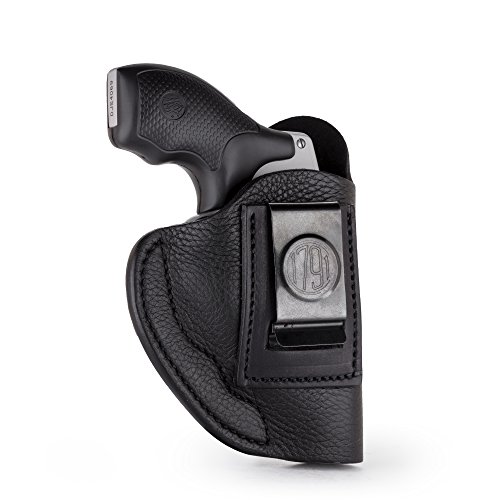
1791 Gunleather IWB Holster Fits J-Frame, 38 Special & Snub Nose Revolvers | Right-handed soft leather holster fits Ruger LCR, S&W 642, 637, 638, Bodyguard, Model 60, Taurus 85, 856, Kimber K6S, J-Frame


As an Amazon Associate we earn from qualifying purchases. Product prices and availability are accurate as of the date/time indicated.

S&W 442/642/340 - IWB Covert Kydex Holster | QUICKSHIP - C&G Holsters - Right Hand
As an Amazon Associate we earn from qualifying purchases. Product prices and availability are accurate as of the date/time indicated.

IWB Holster Compatible with Taurus 85 and S&W 637 642 638 43 442 Revolvers, Not for Protector Models, Black


As an Amazon Associate we earn from qualifying purchases. Product prices and availability are accurate as of the date/time indicated.
Prices shown are approximate and for reference only. Prices change often, so please check the current price on Amazon before you buy.
Positions, materials, and fit are each maker’s stated details for the current version and pattern, and fit must be confirmed for the exact 442 and its J-frame parish in the maker’s documents before purchase. Ratings are editorial for 442 carry: exact fit named for the revolver, trigger guard covered whole, retention and orientation, a draw and return rehearsed empty, and value and support.
Detailed Reviews: Best Holster for SW 442 Picks
1. DeSantis Nemesis – Best Overall
DeSantis’s pocket parish takes the overall rating as the 442’s reference citizen in its line: an outer parish that stays in the pocket as the revolver leaves it, an orientation the hand finds the same way every time, and a guard covered whole, the pocket’s whole liturgy in one small, unshowy object.
Rehearsed across a wardrobe, it earns its place outright.
2. Galco Pocket Horsehide – Best Traditional Pocket
Galco’s horsehide parish brings leather’s manners to the pocket in its line, its shape filling the pocket’s parish and its constitution seasoned across a season’s carries, for the owner whose pocket citizen is a decade’s rather than a year’s.
For that pocket, it stands.
3. Galco Ankle Glove – Best Ankle Parish
Galco’s ankle parish serves the specialist’s sentence in its line with its strap’s government audited across a day’s walking, for the seated day and the backup role, bought, in this guide’s candour, as the slowest presentation in the table and rehearsed as such.
Within its honesty, it earns its place.
4. Safariland J-Frame Patterns – Best Waistband Parish
Safariland’s parish brings a working house’s moulding to the waistband in its line, its citizens’ coverage and ride graded against a proper belt’s government, its return performed, in this guide’s liturgy, slowly and by looking.
For the waistband, it is soundly placed.
5. 1791 Gunleather J-Frame – Best Belt Parish
1791’s leather parish carries the 442 on the belt in its line with a traditional citizen’s finish, for the range and the field day, its care governed as this guide’s keeping section directs for every leather citizen.
For the belt, it is soundly placed.
6. Bianchi J-Frame Patterns – Best Leather Parish
Bianchi’s parish closes the table across its pocket and waistband citizens in its line, a house’s long J-frame record behind them, for the owner whose parish is leather and whose frame is this one, named in its documents.
As the leather row, it completes the table.
Buying Guide: How to Choose the Best Holster for SW 442
The Owner’s Audit: Frame, Position, Wardrobe, and the Empty Rehearsal
Write the audit’s five facts before a listing is opened, with the revolver itself, verified unloaded, in hand. The frame: its exact model and its enclosed-hammer profile, the holster’s documents naming this citizen and not a neighbouring one, a fitting being a property of an exact revolver. The position: chosen from the day the revolver will actually serve, pocket, waistband, ankle, or belt, each with its doctrine in this guide, a position bought for an imagined day being a holster retired by the real one. The wardrobe: the pockets audited for the pocket parish, the belt audited for the waistband’s, stiff and made for the work, the season’s clothing the fitting’s parish throughout. The coverage: the trigger guard audited whole in the hand, the revolver seated, before any carry, a citizen failing it refused at the bench regardless of its other virtues. And the empty rehearsal, inside a returns window that contains it: the draw and the return performed, unloaded, across each garment the position will serve, the pocket’s holster staying behind every time, the waistband’s return slow and looked-at, the ankle’s draw learned from a chair, because a carry system, like a zero, is a property evidenced. Order against the five, under the law of your place read in its primary sources, and let a holster that fails rehearsal be returned on that evidence, which no listing can argue with.
Spend by the carry’s priorities, which are the guide’s: exact fit first, as a safety citizen’s foundation; coverage second, whole and audited; the position’s government third, a pocket’s staying, a belt’s stiffness, an ankle’s strap; the rehearsal fourth, as the system’s proof; and comfort last, a virtue that counts only after every clause above it has been satisfied. Refuse, in the same pass, the parish’s two frauds: the universal small-revolver parish sold to an exact frame, a retention that almost holds wearing a fitting’s clothes, and the shared pocket sold as convenience, a second citizen beside a covered guard, because a carry, like a range, is graded by its worst unsupervised second, and that second belongs, by doctrine, to an audit at home.
Keeping the Holster: Inspection, Leather’s Care, and the Rig’s Diary
Maintain the holster as a safety citizen with a season’s liturgy. Its stitching, moulding, and hardware are inspected at the season, a pocket citizen whose staying parish has tired being retired without a second season’s optimism, a waistband citizen whose clip has lost its government replaced as a consumable. Leather is governed by its maker’s care, conditioned sparingly, an over-conditioned parish softening toward retirement in the doctrine this site prints for its belts and its leather holsters alike, its coverage audited after any care as after any knock. The revolver’s own storage stands apart from the holster’s parish in the standing law: locked, separate from its ammunition, under the provisions of its owner’s place, the holster a fitting and never a storage system.
Keep the record with the revolver’s papers, holster and its position’s rehearsals, the wardrobe it was proven across, so a successor is bought from a diary. Do that, the frame named, the guard covered, the draw rehearsed empty, and the best holster for SW 442 becomes what its buyer wanted from a small citizen with a serious profession: a revolver that is where the hand expects it, covered whole, carried lawfully, and returned slowly, every time, which is the whole of what a holster was ever for.
Frequently Asked Questions About the Best Holster for SW 442
What is the best holster for SW 442?
DeSantis’s Nemesis parish overall for the pocket, the 442’s native carry, its holster staying behind as the revolver clears and its guard covered whole, with Galco’s horsehide the traditional pocket, Galco’s Ankle Glove the honest ankle parish, Safariland’s patterns the waistband’s, 1791’s the belt’s, and Bianchi’s the leather row. Fit yours by the owner’s audit in this guide: the exact frame and its enclosed-hammer profile named in the maker’s documents; the position chosen from the day the revolver will actually serve; the wardrobe and, for the waistband, a proper belt audited as the fitting’s parish; the trigger guard audited whole in the hand on the verified-unloaded revolver; and the draw and return rehearsed empty across the season’s clothing inside the returns window, the pocket’s citizen staying every time, because a holster for this revolver is graded by a covered guard, a found grip, and a governed muzzle, and all three belong in rehearsal.
Can I pocket carry a 442 without a holster?
No, and the reasons are this guide’s doctrine rather than a preference. A pocket holster performs three professions a bare pocket cannot: it covers the trigger guard whole with its own material, it keeps the revolver oriented so the hand finds the same grip every time rather than fishing for a rotated citizen in a dark parish, and it breaks the revolver’s outline so the pocket reads as a pocket’s ordinary contents. A bare revolver in a pocket fails all three at once, and a pocket shared with any other citizen, keys, a light, a second object of any kind, fails the first of them by design, which is why the parish’s law is absolute: a holster that stays in the pocket on the draw, and nothing else in that pocket, ever. Choose the pocket citizen for the pockets you actually own, rehearse the draw empty across the wardrobe until the staying is a fact, and retire a citizen that follows the revolver out even once in rehearsal, since a parish proven unreliable at home has given you its evidence at the cheapest possible price.
Is ankle carry a good choice for a 442?
For the roles it honestly serves, yes, and as a general parish, no, the distinction being this guide’s candour about the table’s slowest presentation. An ankle citizen serves a backup role, a seated profession’s long day, or a wardrobe whose pocket and waistband parishes are genuinely closed, and for those owners a well-fitted ankle parish, its strap’s government audited across a day’s walking, its migration corrected by its maker’s stated fitting, is a sound and lawful sentence. What it asks in return is the table’s most serious rehearsal: a draw learned empty from the positions its owner actually inhabits, seated above all, until its steps are a sentence the body knows, since an improvised ankle draw is a first performance at the one moment that cannot host one. Bought as what it is, fitted as its maker directs, and rehearsed as this guide directs, it earns its row; bought as a shortcut around a pocket’s or a waistband’s disciplines, it is the most expensive way in the table to learn why those disciplines exist.
How do I rehearse a draw safely at home?
Empty, verified, and as a liturgy, in this site’s standing doctrine for every carry article it writes. The revolver is verified unloaded by sight and by touch, its ammunition in another room’s parish entirely, the rehearsal’s space private and its muzzle’s government observed throughout as strictly as at any range, since a rehearsal that relaxes a rule teaches the relaxation. Each position is learned as its own sentence, the pocket’s draw until its holster stays behind every time across the wardrobe’s pockets, the waistband’s return performed slowly and by looking with the garment cleared by the other hand, the ankle’s draw from a chair until its steps are the body’s rather than the mind’s. Sessions are short, deliberate, and stopped when attention tires, a sloppy repetition being worse than none because it is also a rehearsal, of the wrong citizen. The configuration is then written in the rig’s diary, position, garment, and verdict, and the live carry begins only where the law of your place allows it and only after the empty sentence is fluent, because a holster, like a zero in this site’s rifle guides, is a property evidenced, and the evidence is gathered at home, in the quiet, for free.
Related guides
- Best IWB Holster for MP 2 0 Compact in 2026: Fitted Kydex and Hybrids for the Smith and Wesson M&P M2.0 Compact
- Best Competition Holster for Sig P320 X5 in 2026: 6 Best Competition Holster for Sig P320 X5 Picks for Safe Draw, Fast Use, and Reliable Competition Use
- Best Gun Safe for Under Bed in 2026: How to Pick an Under Bed Gun Safe That Fits Your Bed and Keeps Your Firearm Secure
- Best IWB Holster for HK P2000SK in 2026: Fitted Kydex and Hybrid Holsters for Heckler and Koch’s Subcompact
More from Amazon
Programs that pair well with the guide above. Offers and eligibility are set by Amazon and may change.
Free shipping on eligible items, Prime Video and more. Eligible new members can start with a free trial.
Start a Prime free trialAudiobooks and podcasts to listen to on the go. Eligible new members can start with a free trial.
Try Audible freeAd-free music streaming. Eligible new subscribers can start with a free trial.
Try Music Unlimited freeA free business account with business pricing and bulk-buying tools for work, shop or home office.
Create a business accountAs an Amazon Associate we earn from qualifying purchases.

Write Your Review
No reviews yet. Be the first to share your experience!